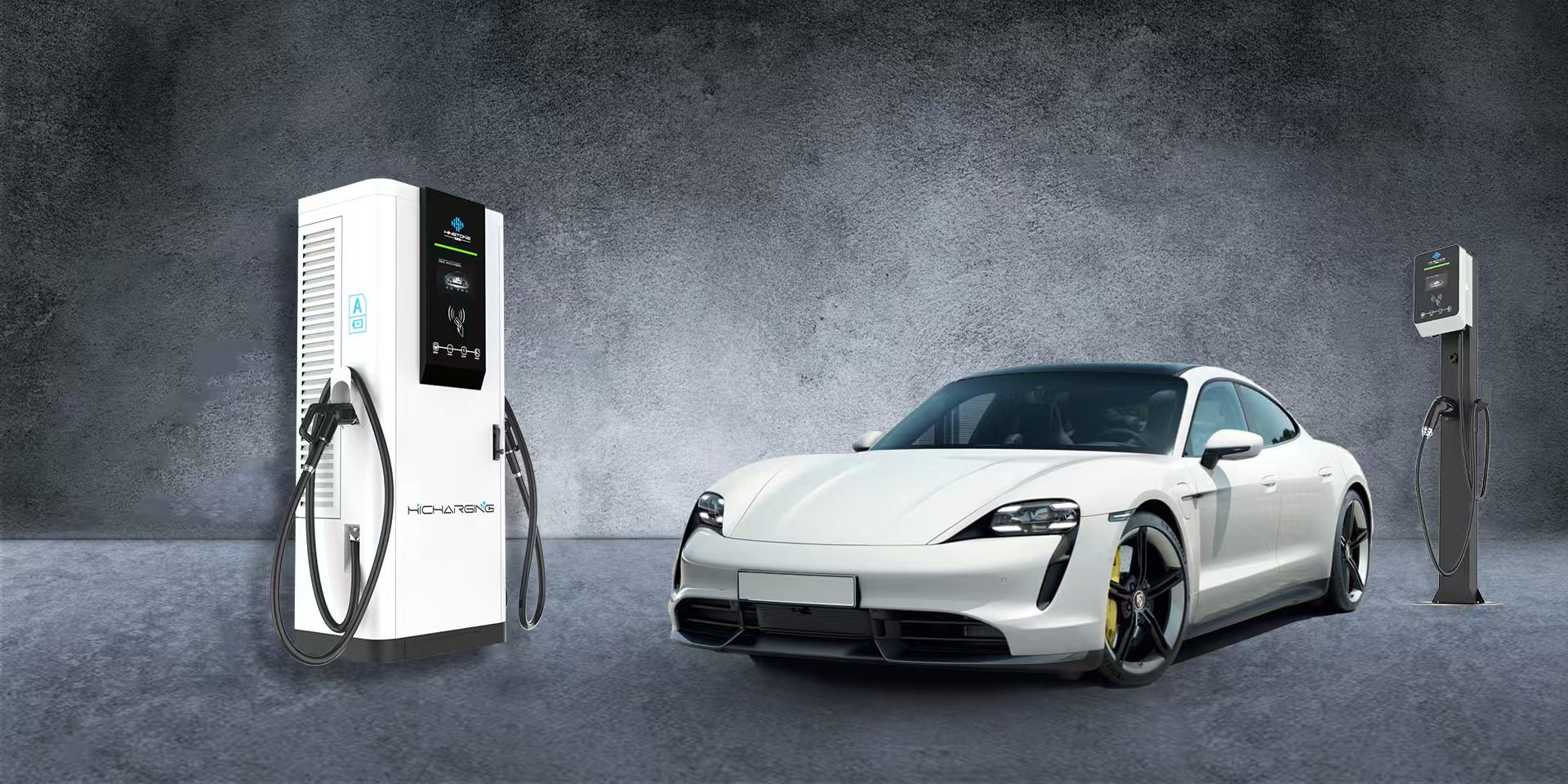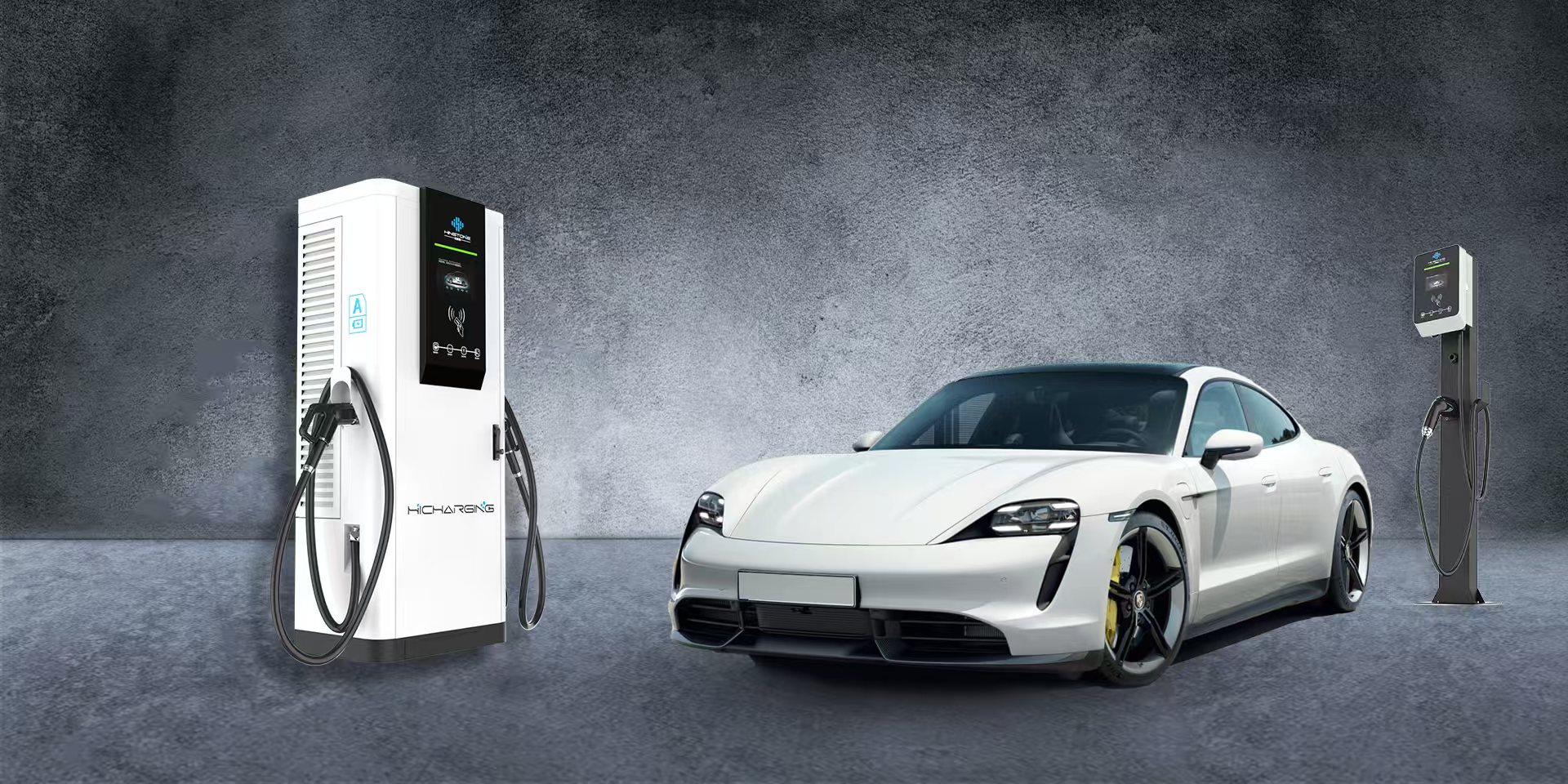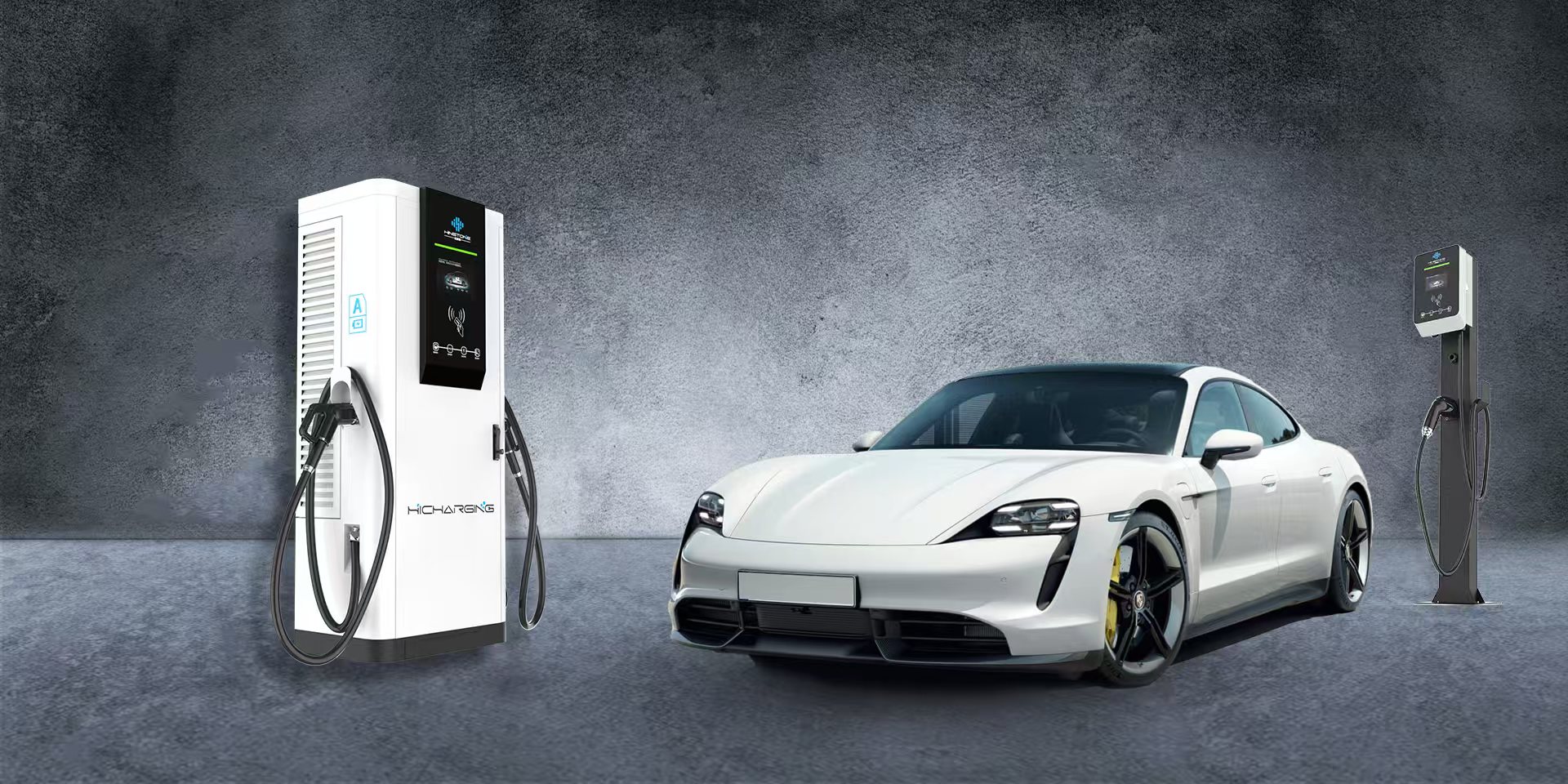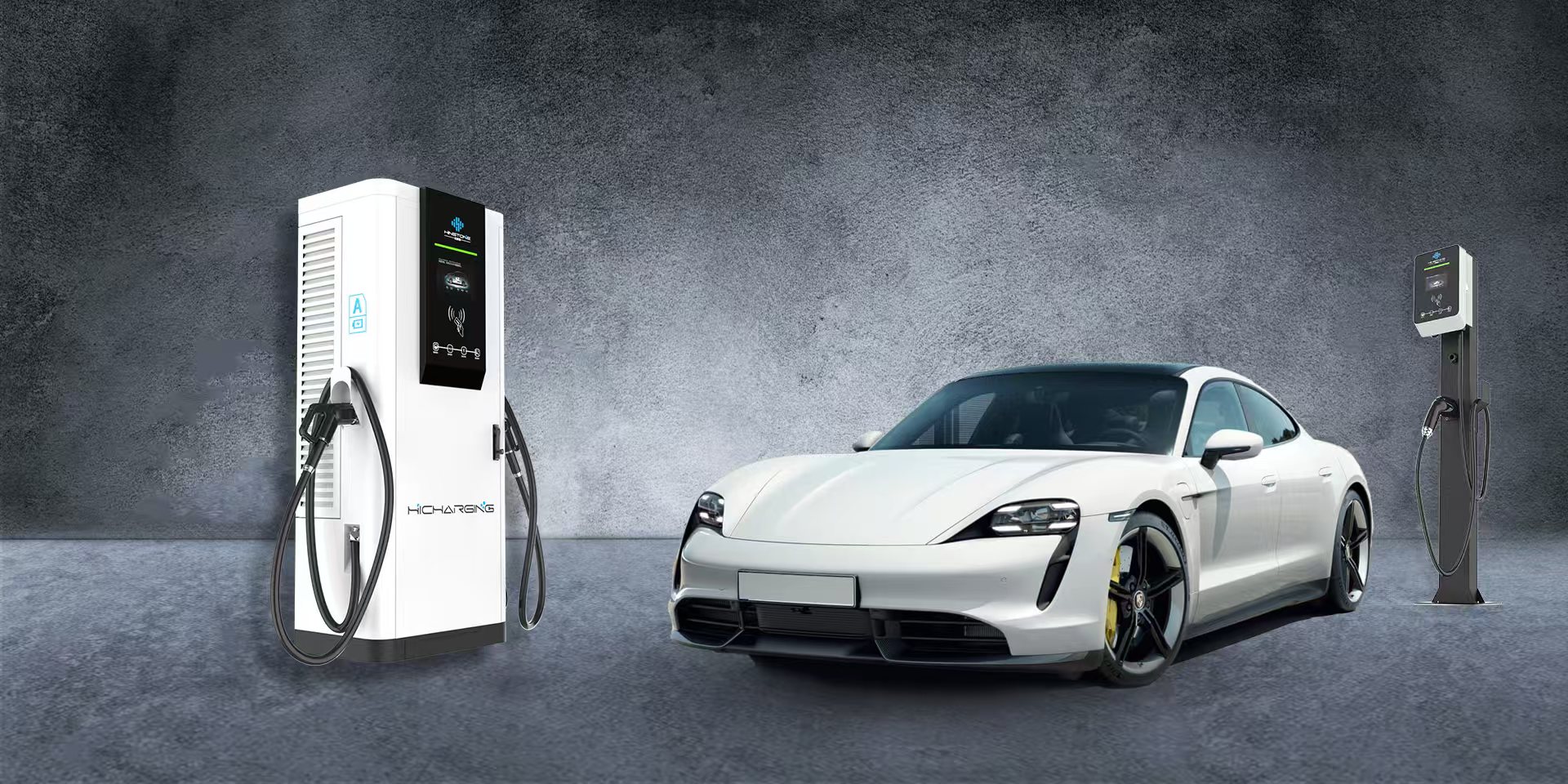




Here is the English translation of the article, maintaining its structure, key points, and professional tone: Heightened Tensions: US-Israel-Iran Conflict and its Ripple Effects on Global Energy and Electric Vehicles The ongoing tense geopolitical situation between the US, Israel, and Iran, particularly concerning Iran's nuclear program, proxy conflicts (e.g., Hezbollah, Houthi rebels), and the security of critical shipping lanes, is exerting profound impacts on the global energy landscape. The core concern lies in the potential threat this conflict poses to the stability of global oil supplies, which in turn affects energy prices, economic inflation expectations, and could profoundly reshape the trajectory of the global energy transition and the development environment for the new energy vehicle (NEV) industry. Let's delve into the multifaceted impact mechanisms of this complex geopolitical dynamic on the oil market and NEV development. Impact on the Global Oil Market: Volatility Intensifies & Structural Shifts (I) Escalating Oil Market Risks Hormuz Strait Chokepoint: Approximately 20% of global oil trade transits through the Hormuz Strait, controlled by Iran. Any attacks on tankers or port facilities, or Iranian threats to blockade the strait, would immediately trigger market panic and send oil prices soaring. Historical precedents (e.g., the 2019 Gulf of Oman tanker attacks, the 2024 Red Sea crisis) demonstrate how swiftly such events can inflate price premiums. Iranian Crude Export Uncertainty: Escalating conflict could lead to harsher sanctions or physical impediments (e.g., vessel seizures) targeting Iranian oil exports. Although Iranian oil often moves via a "shadow fleet," large-scale supply disruptions would still reduce global volumes, especially against the backdrop of sustained OPEC+ production cuts and relatively low global inventories. Regional Production Facility Vulnerability: Widening conflict risks spilling over to threaten facilities in other major oil-producing nations like Saudi Arabia and the UAE (e.g., a repeat of the 2019 Aramco attacks), further jeopardizing supply security. (II) Oil Price Inflationary Pressure Entrenched Risk Premium: Even without actual supply disruptions, persistent geopolitical tension embeds a higher "risk premium" into oil prices, lifting the price floor. Investors and traders demand higher returns to compensate for potential supply risks. Global Inflationary Squeeze: Oil is a key input cost for inflation. Persistently high prices increase transportation, manufacturing, and electricity costs globally, exacerbating inflationary pressures in major economies (US, EU, China). This pressures central banks toward more cautious monetary policy, potentially stifling economic growth and dampening oil demand growth prospects (a negative feedback loop). (III) Accelerated Global Energy Adjustment Import Diversification Push: Countries heavily reliant on Middle Eastern oil (e.g., China, India, Japan, South Korea) will accelerate strategies to diversify energy import sources. This includes increasing imports from Russia, Africa, and the Americas, or seeking longer-term supply contracts to secure resources. Strategic Reserve Releases & Coordination: Major consumers may more frequently coordinate releases from Strategic Petroleum Reserves (SPR) to smooth short-term price volatility, though this addresses symptoms, not the root cause of supply risk. Fossil Fuel Investment "Security Paradox": The conflict highlights the geopolitical fragility of traditional fossil fuel supply. This paradoxically may push some nations to boost domestic fossil fuel investments (e.g., shale oil, offshore oil & gas) in the short term for supply security. Conversely, it also strengthens the long-term* motivation to break dependence on geopolitically sensitive regions, objectively providing an additional push for the energy transition. Impact on New Energy Vehicle (NEV) Development: A Double-Edged Sword (I) Potential Acceleration Effects (Positive) High Oil Price Economics: Sustained high oil prices significantly increase the operating costs of internal combustion engine (ICE) vehicles, making the total cost of ownership (TCO) advantage of electric vehicles (EVs) much more pronounced. This incentivizes faster adoption by individual consumers and commercial fleets (e.g., logistics, ride-hailing). Energy Security Imperative: For oil-import dependent nations with leading NEV industries (e.g., China), the conflict reinforces the strategic imperative to reduce transportation sector oil dependency and enhance energy security via NEVs. Governments may implement more aggressive subsidies, charging infrastructure build-out, and procurement policies (e.g., electrifying public fleets). Heightened Policy Support: Under the dual pressures of climate goals and energy security, governments may elevate NEV development to a strategic industry, allocating more resources to R&D, supply chain localization, and market cultivation. Charging Infrastructure (Charging Pile) Opportunities: NEV acceleration directly boosts demand for charging. Conflict-induced energy security concerns may prompt policymakers to elevate charging network development to a national security infrastructure priority, accelerating targets (e.g., US IIJA, EU AFIR, China's charging "new infrastructure"), streamlining approvals, offering subsidies/tax breaks, and promoting standards and grid integration. This attracts investment, spurs deployment (especially fast/ultra-fast chargers), and fosters innovation (e.g., V2G, smart charging, solar+storage+charging). Corporate Strategic Focus: Traditional automakers and EV startups may view the high-oil-price environment as a market opportunity window, accelerating EV model launches and capacity planning. Charging service operators (CPOs) benefit directly from rising EV demand. (II) Challenges and Risks (Negative) Raw Material Cost Pressures: Oil is not just fuel; it's a feedstock for plastics, synthetic rubber, battery electrolyte solvents, etc. Rising oil prices increase the cost of these materials, indirectly raising NEV (especially battery and component) manufacturing costs. Higher transport/logistics costs also strain supply chains. Deteriorating Macroeconomic Climate: Inflation and potential economic slowdown triggered by high oil prices could suppress consumer willingness and confidence to purchase big-ticket durable goods like cars. Rising financing costs (interest rates) may affect auto loans and corporate investment. Supply Chain Stability Risks: Conflict leading to wider trade disruption or sanctions could destabilize the globalized NEV supply chain (e.g., chips, critical minerals). While oil supply chains are the primary target, logistics chaos can have knock-on effects. Short-Term "Fossil Rebound" Risk: Energy security anxieties might lead some governments to prioritize short-term traditional energy supply (e.g., relaxing coal power, delaying plant closures) or increase fossil investments, potentially diverting fiscal and political resources away from supporting the energy transition and NEVs. (III) Structural Impacts Regional Market Divergence: Impacts will vary by region. Acceleration effects may be stronger in markets with robust policy support and mature local supply chains (e.g., China, Europe). Economic pressures may dominate in markets with policy uncertainty or high import dependence. Technology Path Competition: High oil prices clearly favor Battery Electric Vehicles (BEVs). Impacts on Plug-in Hybrids (PHEVs) and Fuel Cell Vehicles (FCEVs) are mixed: PHEVs still use some fuel and may benefit; hydrogen costs may rise if grey hydrogen (from fossil fuels) dominates production. Comprehensive Analysis: Looking Ahead The US-Israel-Iran conflict acutely exposes the inherent vulnerabilities (geopolitical dependence) and transition pressures (climate security) within the global energy system. Its impact on oil markets and NEV development is not linear but results from the intricate interplay of multiple channels: oil price volatility, policy shifts, economic expectations, and supply chain resilience. Short-Term (1-2 years): Conflict dominates oil price swings, with high prices coexisting with economic uncertainty. NEV sales growth may show relative resilience versus ICE vehicles due to favorable economics, but the overall auto market faces pressure. Supply chain cost pressures intensify. Medium-Term (3-5 years): Conflict trajectory is crucial. If tensions become entrenched, it will solidify national commitments to energy independence and transition. The NEV industry, bolstered by policy support, could overcome short-term hurdles and accelerate adoption. Peak oil demand could arrive earlier. If tensions significantly ease and oil prices fall, some tailwinds for NEVs diminish, shifting dependence more to intrinsic competitiveness (falling costs, improving experience) and policy momentum. Long-Term (5+ years): Regardless of the conflict's resolution, its shock to global energy security perceptions is profound. Breaking dependence on fossil fuels from geopolitically volatile regions is becoming a strategic consensus. This provides sustained long-term momentum for clean energy technologies, including NEVs. The core drivers of NEV development will increasingly shift to its own falling costs and technological progress. Strategic Recommendations For Oil Market Participants: Strengthen risk management (hedging, scenario planning), closely monitor embedded geopolitical risk premiums, optimize supply chain resilience (e.g., diversified shipping routes), and adopt a long-term perspective acknowledging the approaching peak in oil demand. For the NEV Industry: Automakers & Suppliers: Build resilience against economic cycles. Optimize supply chains to mitigate cost volatility (e.g., technical cost reduction, material substitution). Maintain unwavering commitment to electrification strategy. Governments: Ensure continuity and stability of NEV support policies. Avoid wavering on long-term transition goals due to short-term price swings or security anxieties. Increase support for charging infrastructure, critical material recycling, and next-generation battery R&D. Investors: Focus on long-term industry trends while remaining vigilant about short-term macro and geopolitical volatility risks. Prioritize companies with core technology, cost advantages, and robust supply chain management. For Energy-Consuming Nations: Accelerate the construction of a diversified, cleaner energy system and enhance energy efficiency. This is the fundamental path to mitigating geopolitical risks and achieving sustainable development. Conclusion The US-Israel-Iran conflict starkly illuminates both the growing pains and opportunities inherent in the global energy transition. It represents one of the last potent convulsions of the oil era's geopolitical risks, yet it could simultaneously act as a catalyst accelerating the shift towards a more resilient and sustainable new energy system, including NEVs. The ability to turn crisis into opportunity hinges on whether governments and industries can maintain strategic focus, overcome near-term difficulties, and resolutely drive the energy revolution forward. As the key vehicle for decarbonizing transport, the NEV development path may encounter short-term bumps due to this conflict, but its long-term upward trajectory remains unaltered. Indeed, this conflict may grant the sector additional strategic importance and developmental momentum. The above content represents personal viewpoints only and does not constitute an official position, nor does it represent the stance of any institution or official body. Different perspectives are welcome; please engage via comments to discuss and learn together. Images in the text are AI-generated and do not correspond to any real scenes or events. 以上内容均由AI搜集总结并生成,仅供参考

- Home
- About Us
-
Products & Solutions
- News Center
- Quality & Service
- Contact Us