
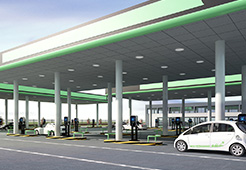


Introduction: A Pragmatic Approach to Alleviating Rural "Charging Anxiety"
As new energy vehicles (NEVs) accelerate their penetration into rural areas, the severe lag in charging infrastructure has emerged as a critical bottleneck. The traditional centralized charging station model faces triple dilemmas in rural contexts: high investment costs, low utilization rates, and difficult operation and maintenance. The "Farmhouse Cooperative Model" has emerged as an innovative, lightweight solution. Its core lies in dispersing charging facilities into rural living scenarios (such as farmyards and village shops), adhering to the principle that "one桩 is one service unit." This approach aims to gradually fill the gaps in rural charging networks under the premise of controllable costs, feasible operation and maintenance, and tangible benefits for farmers. This article objectively analyzes the practical operation, value, and challenges of this model.
01
Core of the Model: Advantages of Lightweight Operations
Farmhouse Resource Reuse + Lightweight Equipment + Localized Maintenance for Cost Reduction.
01
Resource Integration to Reduce Operational Costs:
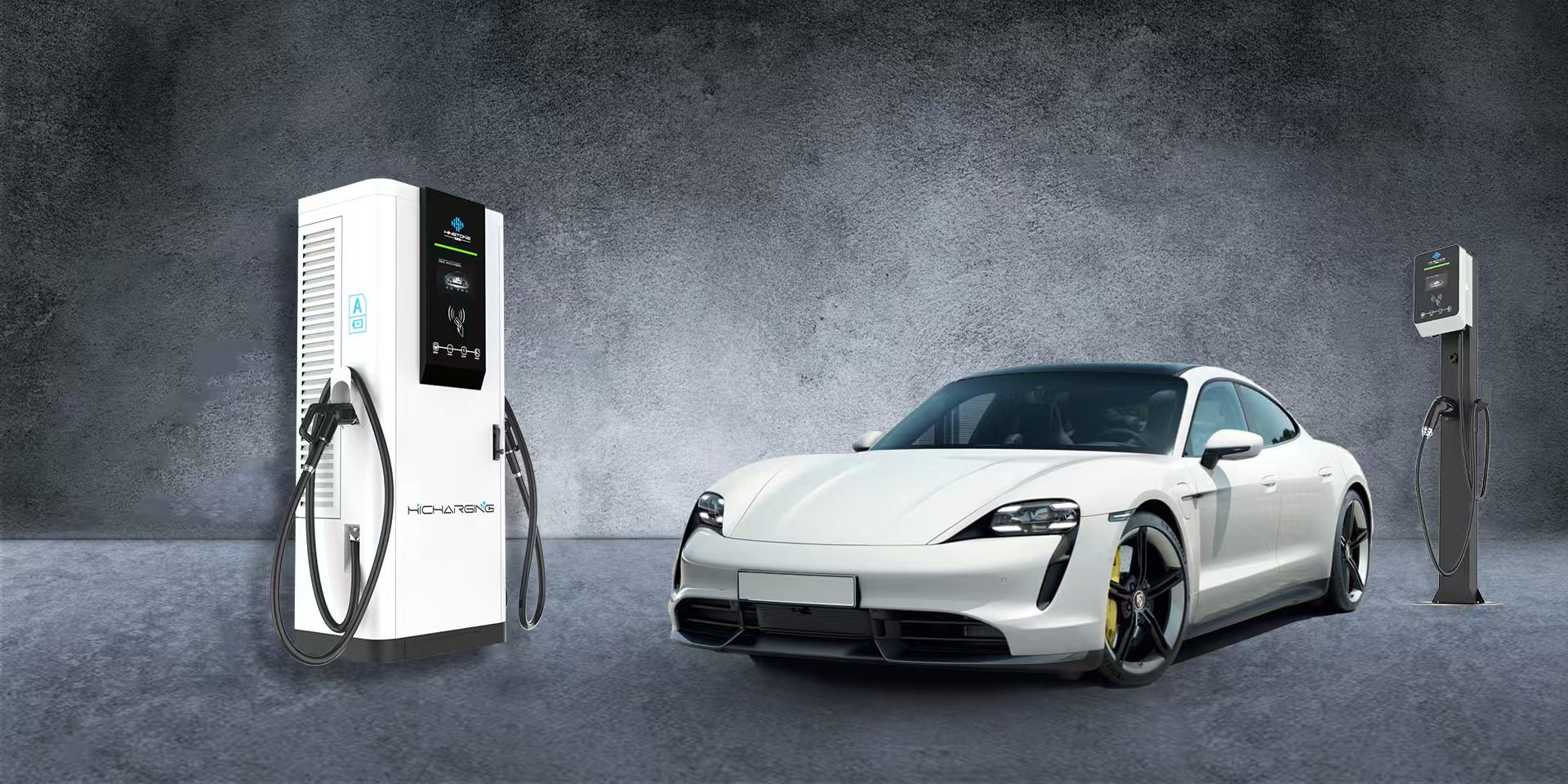
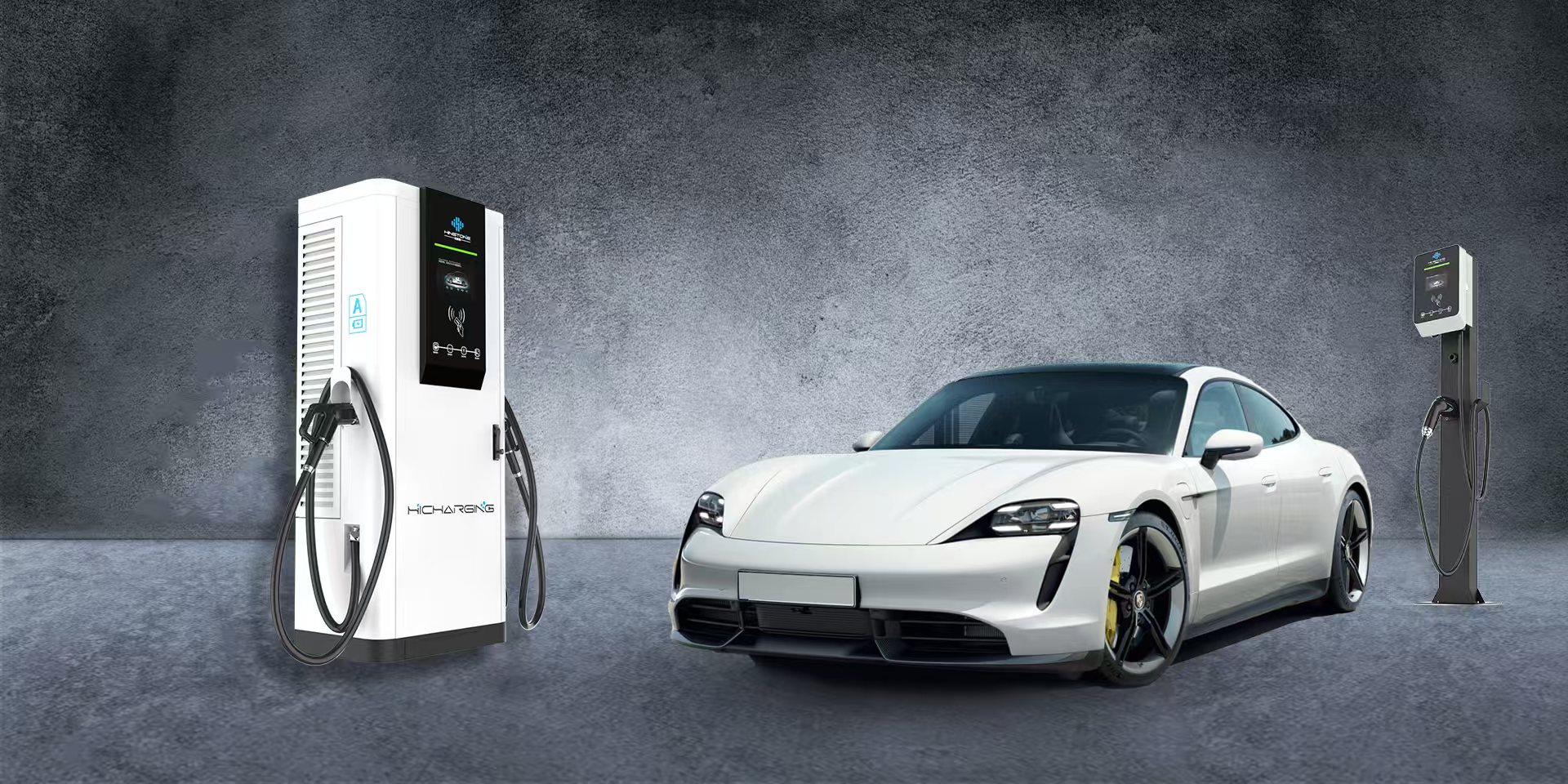
☆ Reuse of Space and Electrical Resources: Farmers provide idle space (yard walls, under eaves) and basic electrical access (220V household power or 380V industrial/commercial power), eliminating the huge costs of land leasing and complex grid upgrades. Operators only need to invest in charging equipment (such as small smart AC chargers or portable DC chargers).
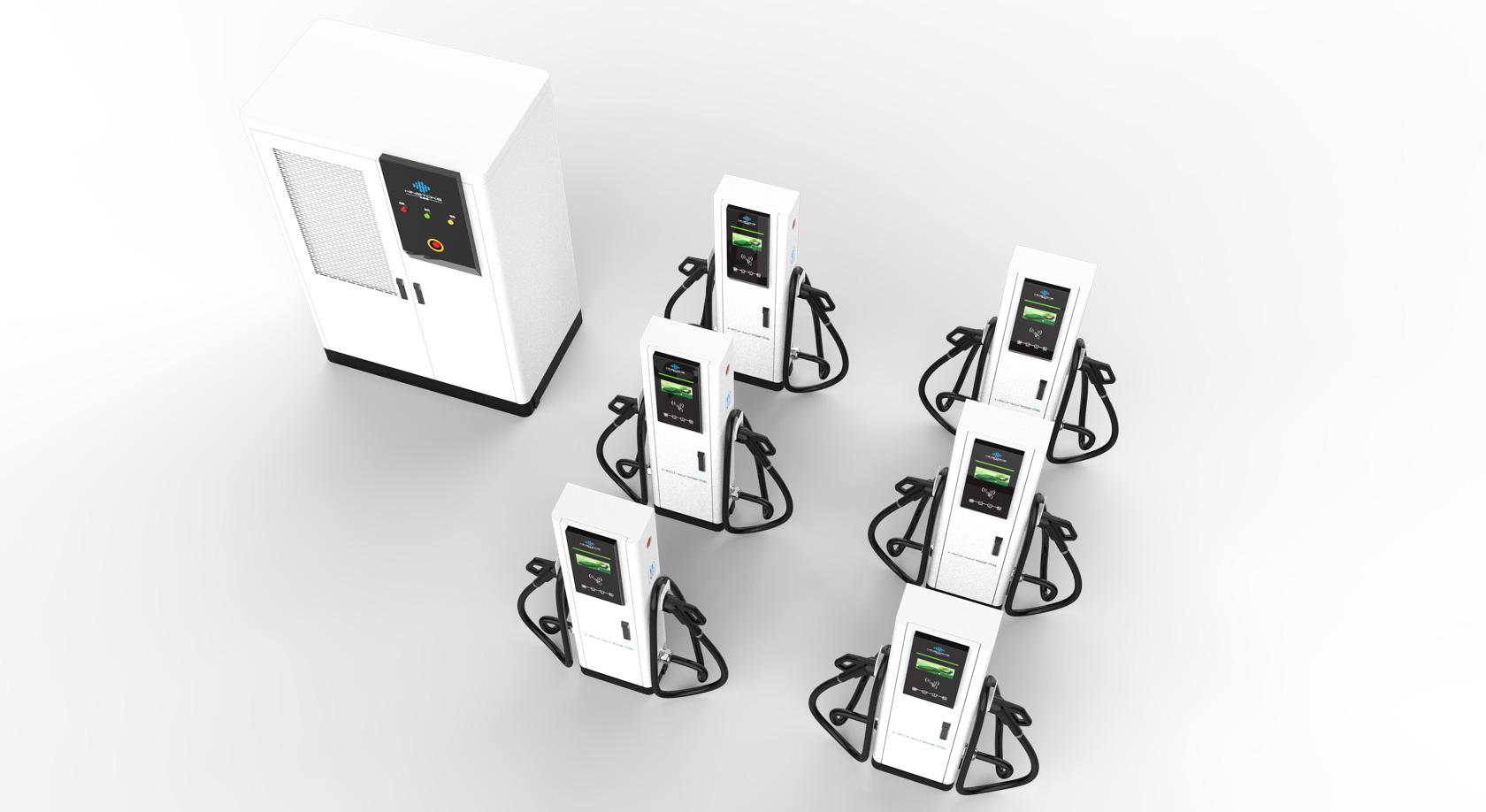
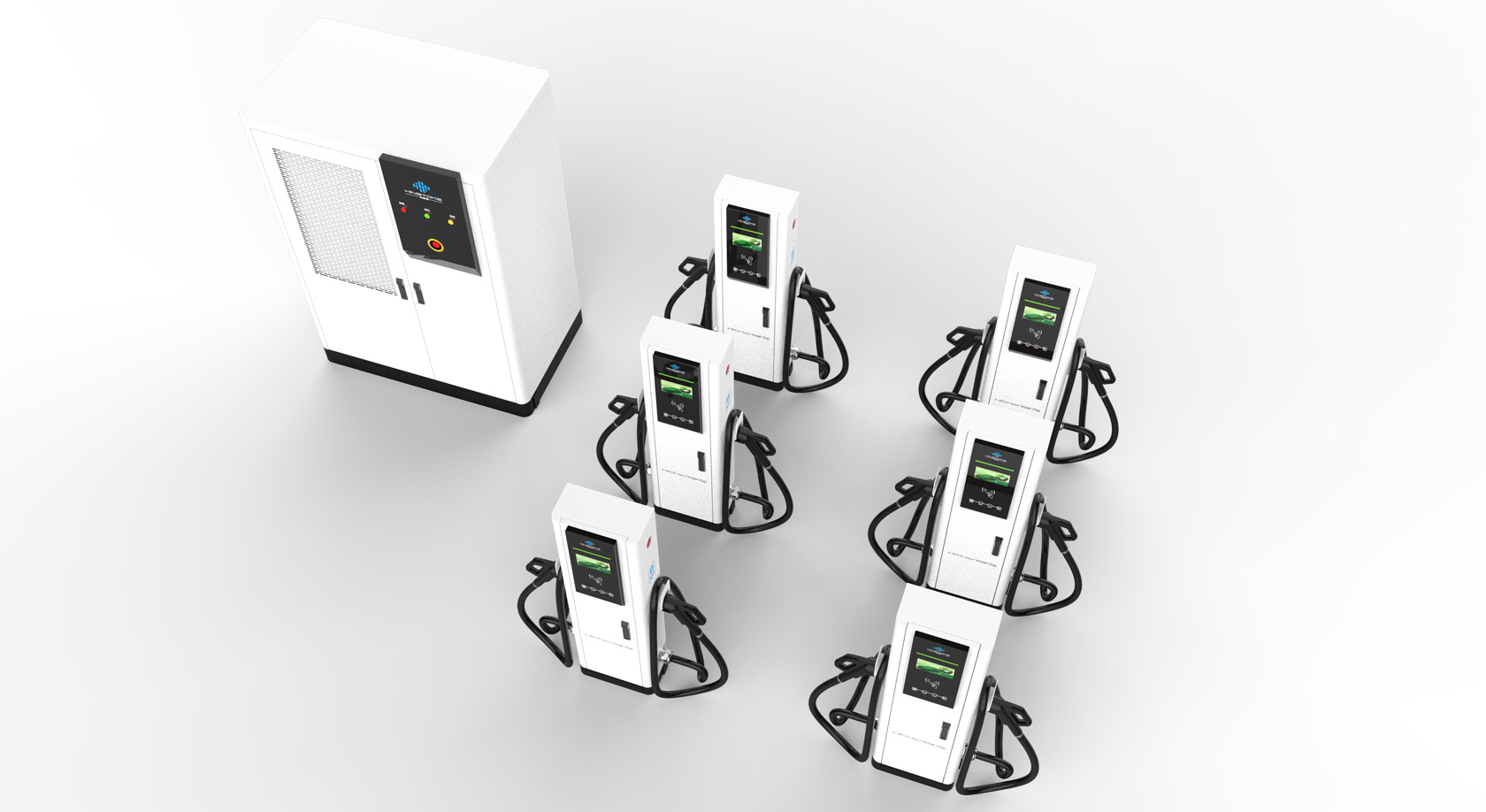
☆ Adaptation of Lightweight Equipment: Priority is given to equipment with a small footprint (≤0.5㎡), simple installation, and relatively friendly power requirements, reducing deployment thresholds and difficulties.
☆ Localized Maintenance for Cost Reduction: Training cooperative farmers to perform daily simple inspections and primary fault handling (e.g., restarting equipment, cleaning dust) significantly shortens response times (to within 2 hours) and reduces the cost of long-distance travel for professional maintenance personnel. Practice has proven that farmer participation can effectively reduce equipment failure rates and annual maintenance costs.
02
Activating Farmers to Enhance Service and Stickiness:
☆ Expansion of Income Channels: Farmers earn share revenue by providing space and basic services (e.g., a revenue-sharing model of 60% to the operator and 40% to the farmer), offering a potential and sustainable supplementary income source for families (the income level is significantly influenced by geographical location, traffic flow, and charger type).
☆ Driving Associated Consumption: Charging piles become nodes that attract foot traffic (especially passing vehicles and tourists), bringing additional consumption opportunities to farmers' self-operated small stores, homestays, and agricultural product sales (e.g., a 15%-20% increase in sales of small stores in Yunnan, and an increase in the proportion of NEV customers at Zhejiang homestays). This "charging +" linkage effect is an important attraction of the model.
☆ Stimulating Endogenous Motivation: As "owners," farmers generally have a strong sense of responsibility for equipment care and basic services, which helps improve site maintenance standards and user service experience.
03
Policy Synergy to Provide a Development Soil:
☆ National-level policies (such as the National Development and Reform Commission's "County-level Charging and Swapping Facility Shortboard Pilot") and local-level policies (in Zhejiang, Anhui, etc.) explicitly support the "Farmhouse Cooperative Model," including construction cost subsidies (e.g., 30% in Taizhou), kWh-based subsidies (e.g., 0.3 yuan/kWh in Feixi), and grid access facilitation, reducing policy risks and initial costs for farmers and operators.
02
Practical Challenges: The Gap Between Ideal and Implementation
Despite its significant advantages, the model faces a series of practical challenges during promotion that need to be viewed rationally:
01
Dual Constraints of Farmers' Capabilities and Willingness:
☆ Lingering Concerns: Some farmers have concerns about electrical safety, equipment damage liability, electricity cost sharing, and income uncertainty, leading to a strong wait-and-see attitude (as seen in the initial hesitation of farmers in Yiyang, Hunan).
☆ Entry Barriers: Not all farmers have suitable space (e.g., road-frontage, safety, sufficient power capacity) and basic business service awareness. Selecting qualified cooperative farmers itself incurs costs.
☆ Capacity Limitations: Farmers' maintenance capabilities are limited to basic operations; complex faults still require professional support. Over-reliance on farmer maintenance may affect service reliability and user experience.
02
Hard Constraints of Power Infrastructure:
☆ Capacity Bottlenecks: Rural power grids are generally weak, especially in remote areas. Installing fast chargers (e.g., 120kW) requires high line capacity and transformer load, necessitating costly and time-consuming grid upgrades. Many farmers' household electricity meters cannot support fast chargers.
☆ Stability Risks: Power grid fluctuations or failures can easily cause charging interruptions, affecting user experience and revenue. Supporting energy storage can alleviate this (e.g., emergency power supply) but significantly increases costs.
03
Conflict Between Demand and Revenue Sustainability:
☆ Dispersed and Fluctuating Demand: Vehicle ownership in rural areas is still relatively low, and travel demand is highly seasonal (e.g., busy farming seasons, holidays, tourist seasons) and time-dependent (e.g., market days). Underutilization during off-peak periods or in non-hotspot areas is the norm, with daily service volume far lower than in cities. The "5 vehicles per day during peak tourist season" mentioned in articles is an ideal peak, not an annual average.
☆ High Revenue Uncertainty: Farmers' income is directly linked to traffic flow and charging volume, leading to significant volatility. Considering it as a "stable sideline income" requires caution; it is more realistically an "opportunistic income." The investment payback period is influenced by multiple factors and cannot universally reach the ideal "8-12 months."
04
Increased Complexity of Operations and Management:
☆ Difficulties in Decentralized Management: A large number of dispersed stations place higher demands on operators' remote monitoring, electricity fee settlement, equipment maintenance, and user service response, and management costs do not decrease linearly.
☆ Challenges in Service Standardization: Service environments (hygiene, safety, convenience) provided by different farmers vary significantly, making it difficult to ensure uniform service quality and user experience.
☆ Difficulty in Implementing Value-Added Services: Value-added models such as "charging + agricultural products" and "charging + tourism" require mature supply chains, brand promotion, and user habit cultivation, which are difficult to rapidly scale in most rural areas.
03
Enhancing Model Resilience and Sustainability
Faced with these challenges, the model needs continuous optimization in the following aspects:
01
Precise Site Selection and Hierarchical Layout:
☆ Strictly follow the "Three Proximity Principles" (proximity to roads, proximity to service points, proximity to demand concentration areas), prioritizing layout in high-potential areas such as national/provincial highway corridors, township centers, and tourist hotspots to ensure basic traffic flow.
☆ Scientifically configure the ratio of AC slow charging to DC fast charging based on power conditions and demand expectations, avoiding blind pursuit of fast charging. Focus on developing slow charging and "photovoltaics + slow charging" combinations in areas with weak power grids.
02
Technical Support and Grid Coordination:
☆ Promote intelligent, modular, and low-power-consuming equipment to enhance remote management capabilities and adaptability to weak power grids.
☆ Strengthen in-depth cooperation with power grid enterprises to promote synchronous upgrading and transformation of distribution networks and charging facility planning. Explore "unified construction and operation" or models where power grid enterprises participate in investment to alleviate power bottlenecks.
☆ Reasonably deploy small-scale energy storage at key nodes to stabilize grid fluctuations and enhance emergency response capabilities.
03
Improving Cooperation Mechanisms and Risk Management:
☆ Develop clear, fair, and transparent cooperation agreements that clarify rights, responsibilities, and benefits (especially safety responsibilities, equipment maintenance responsibilities, revenue sharing rules, and exit mechanisms) to消除 farmers' concerns.
☆ Establish a multi-level training system to enhance farmers' maintenance skills and service awareness. Set up regional professional maintenance support teams to quickly respond to complex faults.
☆ Explore more flexible revenue-sharing models such as minimum income guarantees or tiered sharing to balance the risks and returns of operators and farmers.
04
Policy Focus and Ecosystem Construction:
Policy support should be more targeted, such as prioritizing subsidies for supporting grid upgrades, guiding development in high-potential areas, and optimizing kWh-based subsidy distribution mechanisms (e.g., linking to effective service hours/electricity volume).
Encourage cooperation between operators, e-commerce platforms, and local service providers to attempt to use charging piles as rural digital service nodes, gradually integrating more convenient services (e.g., information inquiry, simple e-commerce pickup points) to enhance comprehensive value.
Conclusion: Value Lies in "Connection" and "Empowerment," Not Just Profit
The core value of the "Farmhouse Cooperative Model" for charging piles in rural areas does not lie in creating high investment returns in the short term, but in providing a relatively low-cost, rapid-response, and farmer-benefiting lightweight infrastructure coverage path. It effectively utilizes idle rural resources and localized advantages, demonstrating unique vitality in solving the "last mile" charging problem.
However, its successful promotion highly depends on a deep understanding of complex rural realities (power grids, demand, farmers' willingness) and pragmatic responses. It is not a one-size-fits-all solution but rather an important supplementary form for rural charging network construction, complementing small centralized stations in township centers and dedicated stations at transportation hubs.
The deeper significance of this model lies in its "connecting" and "empowering" value

- Home
- About Us
-
Products & Solutions
- News Center
- Quality & Service
- Contact Us